 by
by Sunrise, subtitled “A Tale of Two Humans”, won the Oscar for Best Unique and Artistic Picture at the inaugural Academy Awards in 1929. At the time, this distinction was considered equally prestigious to the award for Best Production (which was given to Wings). However, the subsequent year this particular award was discontinued and Wings given the higher recognition. Though often forgotten in the legacy of Academy Awards, this artistic and emotional film is considered one of the finest silent movies in history.
Directed by F.W. Murnau of Nosferatu fame, Sunrise came just before silent films were giving way to sound. The first talkie, The Jazz Singer, was soon to be released and Sunrise was one of the first films released with synchronized sound-on-film, using music and sound effects. Though not a box-office success, the industry recognized its significant contributions, also awarding the film Best Cinematography (Charles Rosher and Karl Struss), with Janet Gaynor winning Best Actress (for her collected works that year).
Sunrise has a simple story: a husband is tempted into an affair with a mysterious and stylish woman. She urges him to kill his wife to be with her. When he is unable to go through with the act, he spends a day in the city winning back his wife and their love is rekindled.
The fable-like poignant romance is elevated by poetic expressionist imagery. Intertitles are used sparingly, forcing the scenes to speak for themselves with unique, breakthrough camera movements and dream-like sequences.
At a time when cameras were still hand-cranked but moveable, Sunrise features the use of tracking shots and expert use of forced perspective. Many scenes utilize superimposition to further symbolize and express haunting thoughts and daydream feelings.
Without names attached to the main characters, they take on archetypal figures, universally relatable symbols in a love triangle of a Husband, Wife, and Other Woman. Utilizing enormous stylized sets built specifically for Sunrise (and used in many subsequent Fox productions), the atmospheres of the countryside and city (vaguely European but somehow American) add to the fairy-tale world and is at the base of the multiple dualities presented in the film: country vs. city; Old World vs. New World; peace vs. chaos; purity vs. corruption; nature vs. culture. And most importantly, the innocent and loving blonde wife vs. the sultry city seductress.
Sunrise is an exquisite film that works perfectly within the silent movie medium. A song of love and redemption, it hardly needs the few dialogue cards used. Emotion and action can easily be felt thanks to the superb acting and beautiful cinematography.
The film holds a 98% on Rotten Tomatoes.
Nolan
I am a big fan of the classic horror film Nosferatu and I was curious about how F.W. Murnau would approach a more romance heavy film. It did not disappoint, perfectly combining his trademark dark and eerie cinematography with a romantic tale of learning to appreciate what’s right in front of you. It was strangely beautiful watching something wonderful come out of some dark and dangerous events.
The way the film was presented was impressive even by today’s standards, with brilliant use of double exposure shots, a mixture of large scale sets, projection effects, haunting imagery, and heartfelt moments. I loved that there were very little title cards, as well.
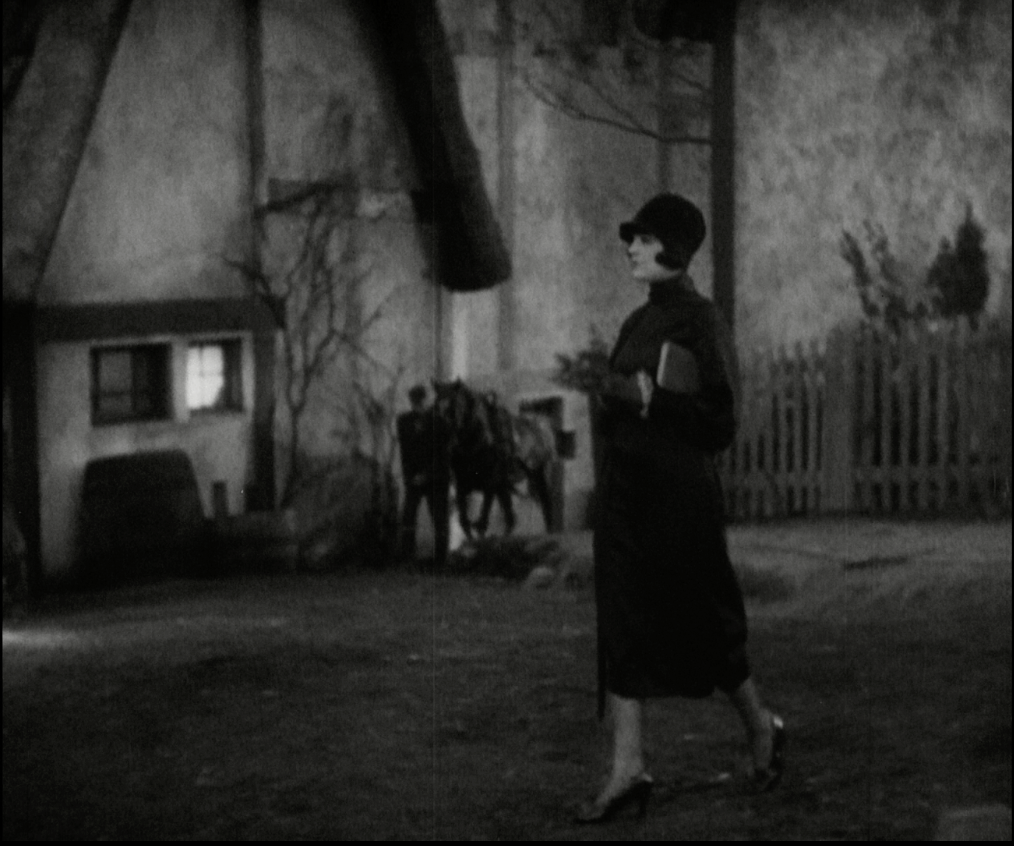
Murnau relied heavily on the actors to carry the emotional weight of the film. George O’Brien and Janet Gaynor showed terrific range from beginning to end. Their reactions and expressiveness made each moment of fear, heartbreak, or love much more impactful. Not many words were needed.
I also found the title of the film fascinating. The “Two Humans” could be the Man and Wife, the two women he is choosing between, or even the two versions of himself struggling internally. I loved seeing the two women cleverly mirror the man’s struggle with good and evil within himself throughout the film. Even the style, and makeup of the two women were polar opposites, further showing the two different paths he is battling with.
The emotional journey the husband and wife take from farm to city, emptiness to passion, hatred to unwavering love, was wonderfully portrayed over the course of just one night together. By the time the sun rises the next day, the two characters are together with renewed passion and appreciation for each other.
I loved how the story of film was presented. Overall, I’d give this film 8/10 stars.
Krissen
Though only the second silent film I’ve ever seen, Sunrise feels like a masterpiece of the genre. When thinking of film as an art form, this is the type of movie imagined. Atmospheric, symbolic, poetic – this film does a lot with little. Emotions are evoked rather than showed. With little dialogue cards and a heavy reliance on the actors, you can feel each pang of guilt, sadness, and joy. Even today, I love moments in modern cinema more that rely on imagery and emotion conveyed rather than excessive or fanciful dialogue.
The cinematography grabbed me immediately, with inventive shots for the time and the use of double-exposure. I love when a movie makes me wonder (though I’m certainly no expert) on how they possibly achieved a scene.
I’m also a sucker for a love story. Though it starts out dark and tragic, the majority of the film sees the husband and wife falling in love all over again. When she is (understandably) upset and distant, he woos her with food and flowers and watching the actors’ wonderful chemistry on-screen can’t help but make you smile.
One of my favorite parts is seeing how their trip to the city is bookended by very different feelings on the trolley in and out of town, showing the growth in their renewed relationship.
Sunrise is easily now one of my favorite films. Even nearly 100 years later, this film stands out as one of the best movies to ever be made.
I give this 9/10 stars.


Leave a comment